One of the most common reasons vendors are declined for Made in Iowa markets isn’t the quality of their work — it’s the quality of their photos.
You may have poured countless hours into perfecting your product, but if your photographs don’t clearly and professionally represent that work, we can’t confidently promote you. Photos are often the first (and sometimes only) impression jurors, customers, and partners will have of your brand.
First Impressions Happen Fast
When you submit photos with your application, those images become your introduction. If the photos are poorly lit, cluttered, oddly angled, or unclear, reviewers move on — quickly. Gallery owners, market juries, and customers don’t usually follow up to ask for better images. They simply swipe to the next application.
We recently reviewed a large batch of submissions for a promotion. Clear guidelines were provided, yet more than half of the images had issues that reflected poorly on the vendor. Common problems included:
- Poor lighting or harsh shadows
- Incorrect or distorted color
- Busy or cluttered backgrounds
- Odd angles that hid details
- Products that were hard to identify
In one case, the photographer’s feet were visible in the photo. While memorable, it wasn’t in a good way.

Photos Are Part of Your Product
Providing a true and accurate representation of your work is essential. A strong photo does half the selling for you.
When I started out as a metal artist, I physically carried pieces into galleries and talked through my work with the owner. Those days are largely gone. Today, your work lives online first — on applications, websites, and social media. Your images must communicate value, craftsmanship, and professionalism without explanation.
Customers are absolutely willing to buy handmade goods online — if the photos are enticing and trustworthy. People emotionally connect to images. If the photo doesn’t spark interest or confidence, the sale never happens.
Professional Photos vs. DIY
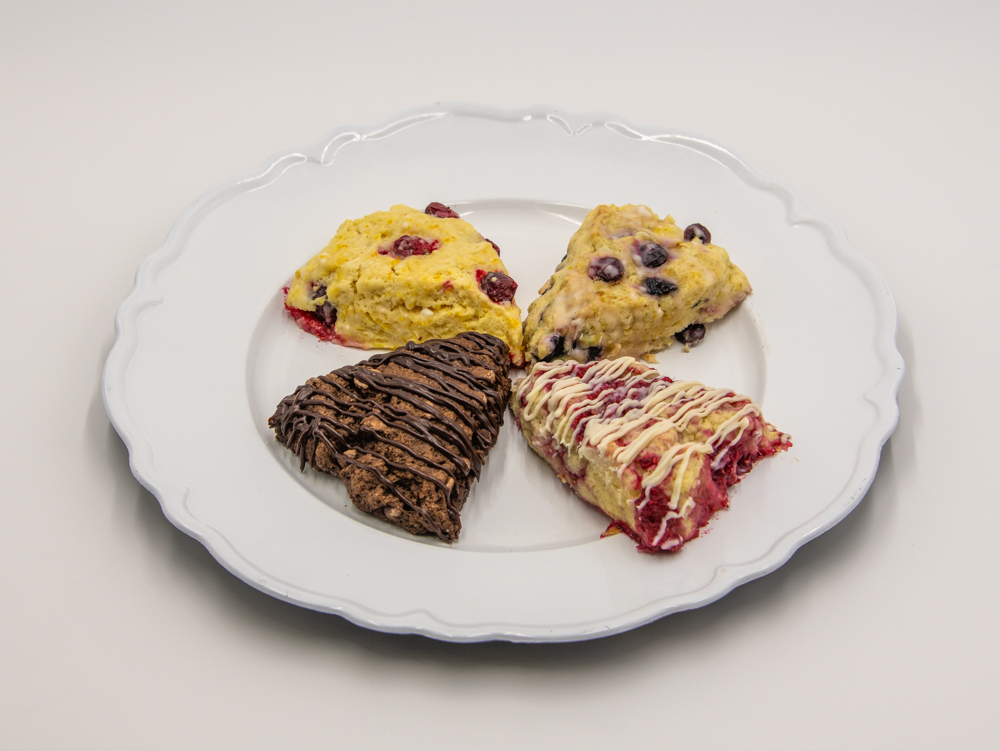
A professional photographer can make a huge difference, especially for signature products. Strong photos are more likely to be shared on social media, reused for marketing, and featured by event organizers.
That said, you can take great photos yourself. You don’t need expensive equipment — your phone is often enough if you follow a few basic principles.
If hiring a photographer isn’t in your budget, educate yourself. There are excellent free resources online that explain lighting, angles, and even phone-camera settings. A little effort here goes a long way.
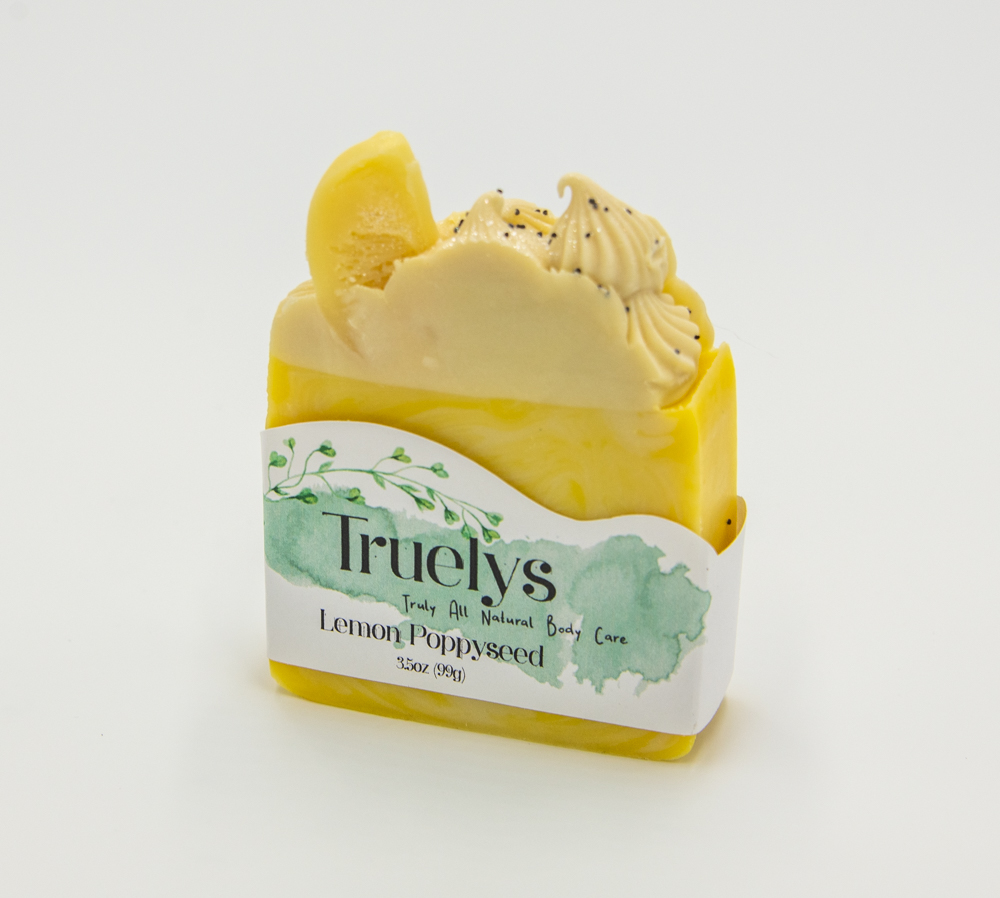
Practical Tips for Photographing Your Work
1. Use Natural Light
Place your work near a north-facing window or door whenever possible. North light is soft and consistent because the sun never shines directly through it. Avoid direct sunlight, which creates harsh shadows and blown-out highlights.
2. Avoid Distorted Perspective
Don’t photograph artwork leaning against a wall. Hang it or position it so you can shoot from as close to a 90° angle as possible. This keeps edges straight and proportions accurate.
For flat work, photographing from directly above can also work — just make sure the camera is truly parallel to the piece.
3. Choose Neutral Backgrounds
Colored walls affect how we perceive color. Photographing against white, beige, or neutral backgrounds helps keep your product’s colors accurate and allows customers to imagine it in their own space.
4. Eliminate Background Clutter
Your product should be the only thing competing for attention. Pets, décor, tools, packaging clutter, and people distract from what you’re trying to sell.
If you can’t fully control your environment, crop your image tightly. Cropping is almost always a good idea.
5. Reduce Glare
Turn off your flash. Flash creates glare on glossy surfaces and harsh shadows behind your work. Instead, rely on natural or ambient light and adjust your position slightly to minimize reflections.
6. Photograph Pieces Individually
If you sell sets or collections, photograph each item on its own. Individual images are more versatile for websites, applications, and social media.
7. Use the Right Camera Distance
Don’t shoot too close. Photograph your product from the natural viewing distance — how a customer would normally see it in person — then crop the image afterward.
For small items, this is usually several feet away, not inches.
What Not to Submit
To help us fairly review and effectively promote your work, please do not submit the following types of images:
- Collages – We need to clearly see one product per image. Collages make it difficult to evaluate quality and details.
- Booth shots – Photos of your market booth do not show individual products clearly and are not usable for promotion.
- Advertisement-style graphics – Please avoid images with logos, text overlays, marketing slogans, or promotional layouts.
- Price tags or signage – Do not include handwritten price tags, printed pricing, or sale signs in your photos.
Your images should focus solely on the product itself, presented cleanly and professionally, with no distractions.
Final Thoughts
Great photos don’t require perfection — they require intention.
Take your time. Try different angles. Adjust your lighting. Compare your images to those from vendors you admire. The extra effort shows, and it directly affects whether we can accept, promote, and market your work.
When your photos are strong, your work can speak for itself — and that’s when opportunities open up.
Happy shooting,
The Booth Boss
Cynthia Freese (She, Her, Hers)
The Friendly Godmother of Made in Iowa
319 775 0458 Made in Iowa